Negotiating Urban Life: Placemaking, Co-creation and Conviviality in Amsterdam New West
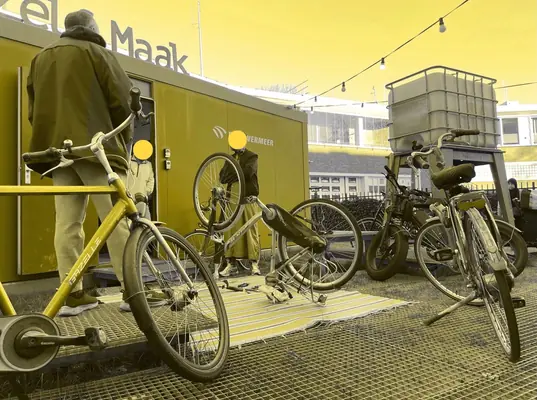
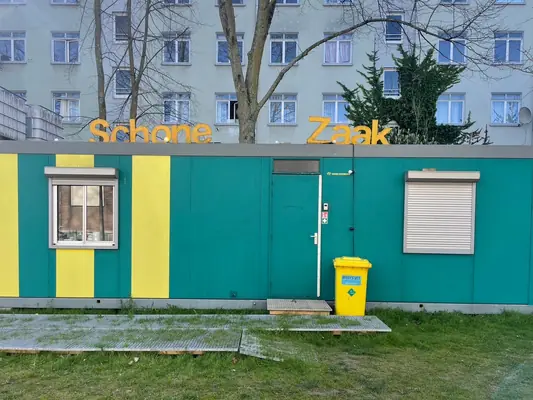
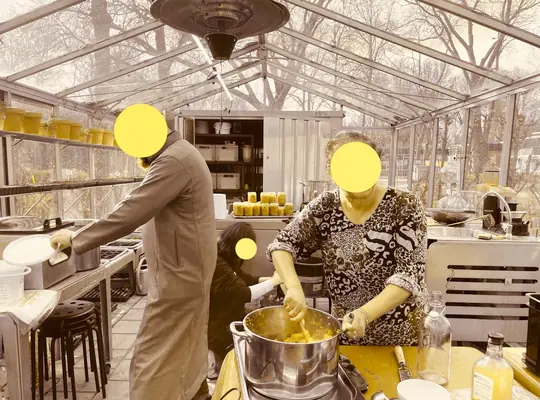
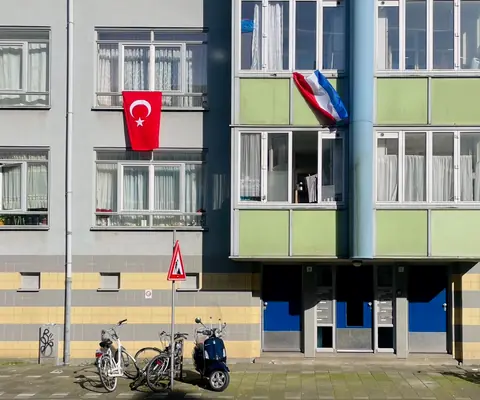
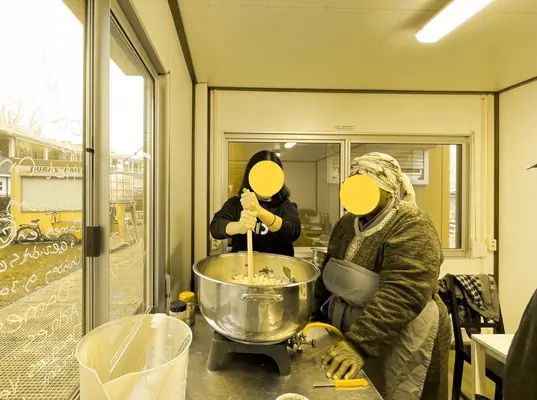
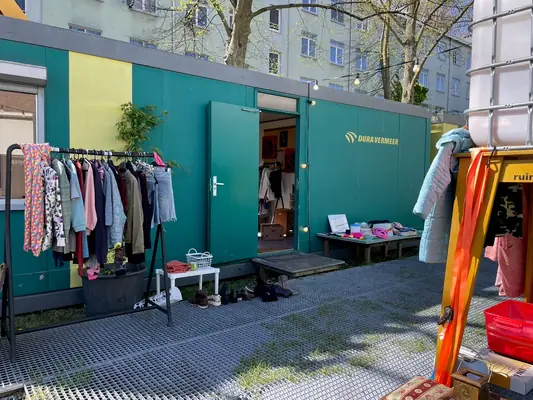
This research grew out of an internship with Cascoland, a placemaking organisation active in the Van Deysselbuurt, a culturally diverse neighbourhood in Amsterdam New West currently undergoing urban renewal. Being embedded within Cascoland gave me first-hand access to its projects, team, and the residents it works with, and shaped the ethnographic approach at the heart of this research.
Below is the abstract, summarizing the study's aims, methodology, and findings:

Abstract
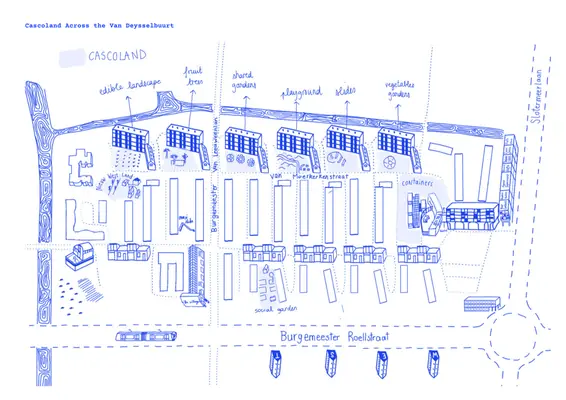
Placemaking has emerged as an alternative approach to urban development, prioritising citizen participation and everyday encounters over material upgrading solely. While the current literature often presents placemaking as an empowering and inclusive process, little attention has been paid to its deployment in the context of urban renewal and cultural diversity. This research explores how Cascoland placemaking practices unfold on the ground and contribute to the urban life activation of the Van Deysselbuurt, a culturally diverse neighbourhood in Amsterdam New West, currently undergoing urban renewal.
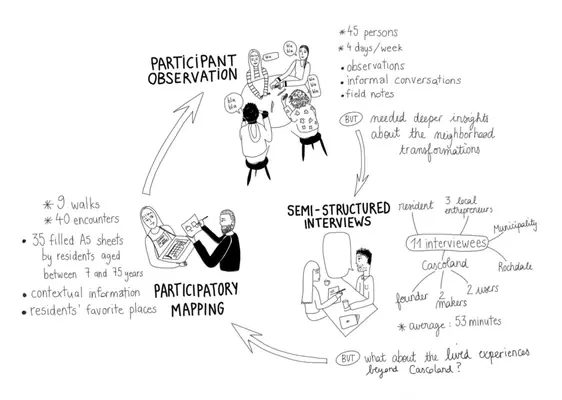
The methodology employed an urban ethnographic approach, combining participant observations, participatory mapping, and semi-structured interviews with institutional stakeholders, Cascoland's founders, makers and users, residents, and local entrepreneurs. Maximum variation sampling ensured a diversity of viewpoints concerning the urban life activation of the Van Deysselbuurt.
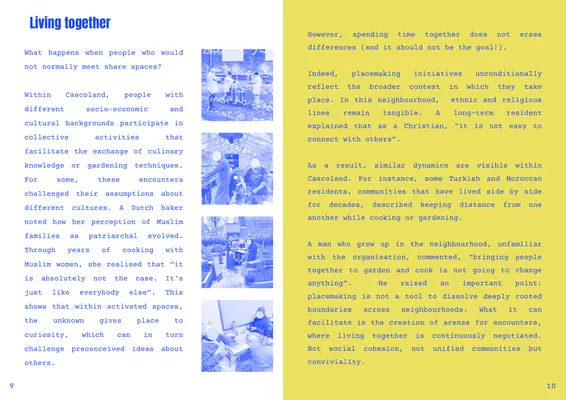
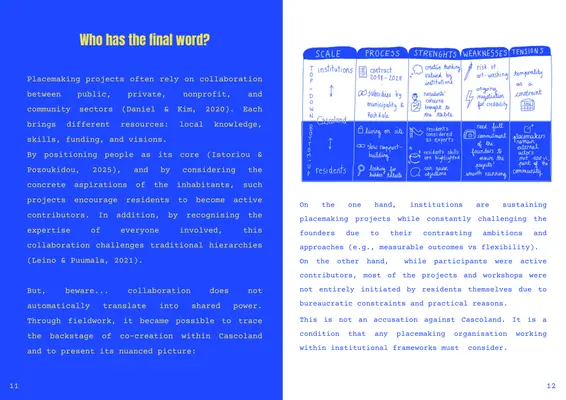
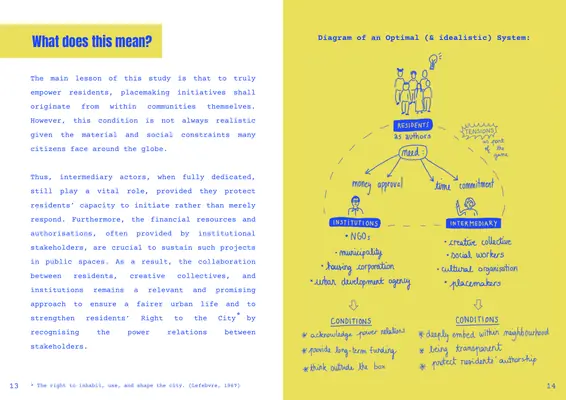
The findings demonstrate that placemaking contributed to both social and spatial activation of the area. While the initiatives provided new pathways for living together with differences by fostering intercultural encounters, alone, they are not sufficient to erase deep structural inequalities, suggesting that placemaking does not translate automatically into more equitable urban life. Additionally, the bottom-up nature of the project does not prevent institutional actors from playing a decisive role in its durability. The study further reveals that co-creation between placemakers and residents is central yet imperfect. On this basis, this research argues that creative citizen engagement approaches hold real potential to activate urban life in diverse neighbourhoods, yet, they don't necessarily lead to more inclusive spaces.
Communication Product
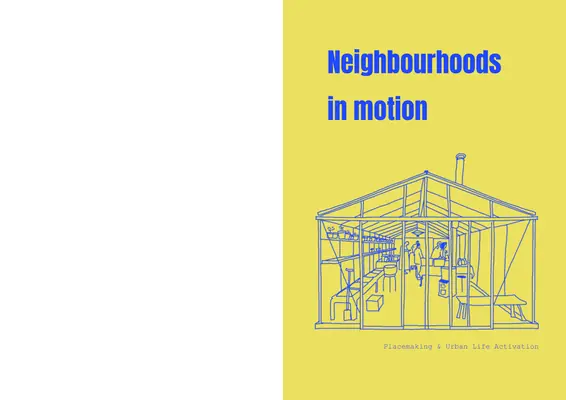
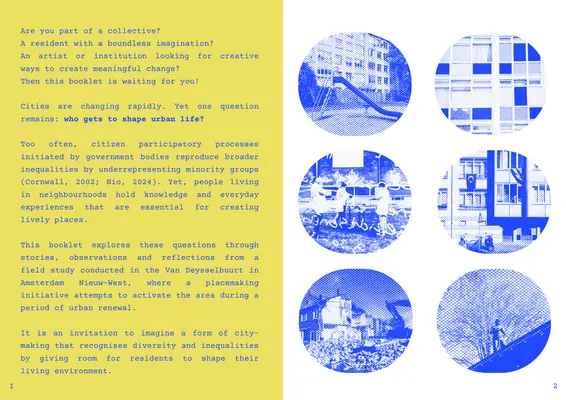
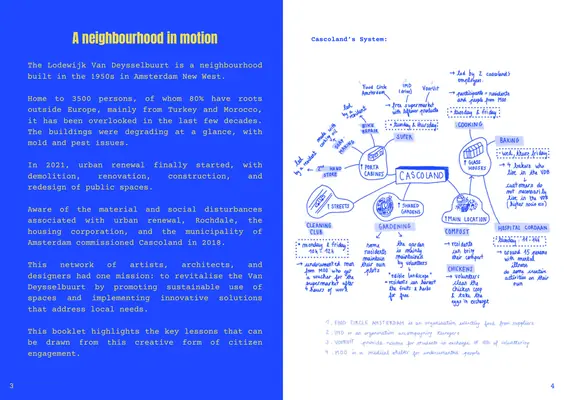
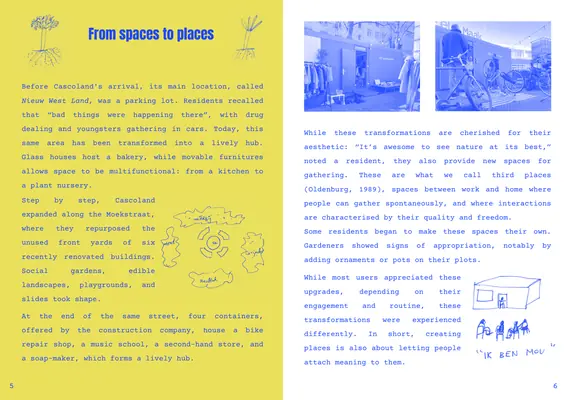
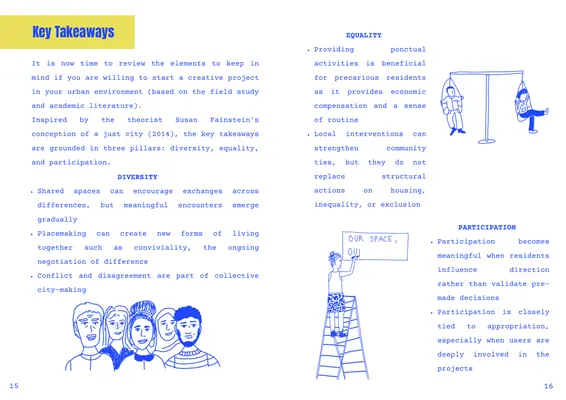
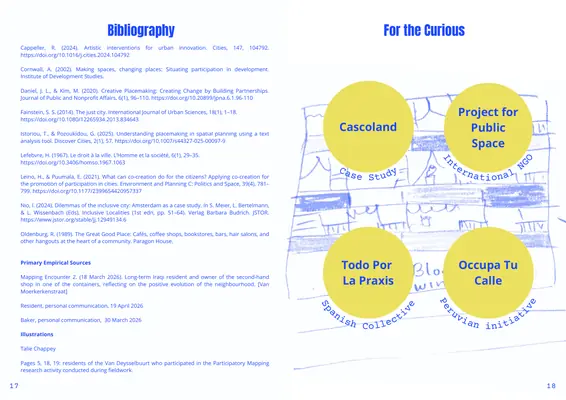
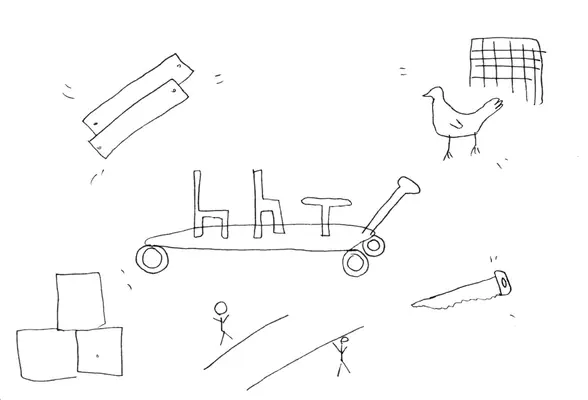
Alongside my thesis, I created a short booklet that translates its main findings into an accessible, visual format. The booklet summarizes the study's key findings and reflects on their broader implications. Drawing on concrete examples from the field, it invites readers to think critically about such projects, while remaining clear that this is a simplified account meant to introduce the topic, not a blueprint to be generalized.
The booklet format aimed to make research accessible and visually engaging: short text paired with illustrations helps complex ideas land more easily.
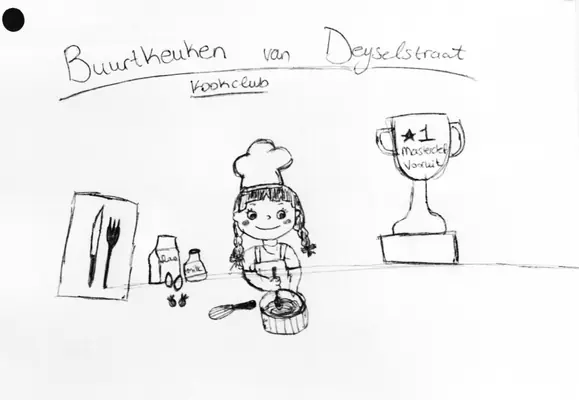
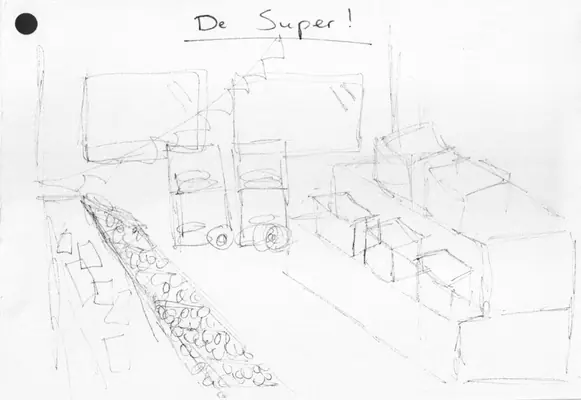
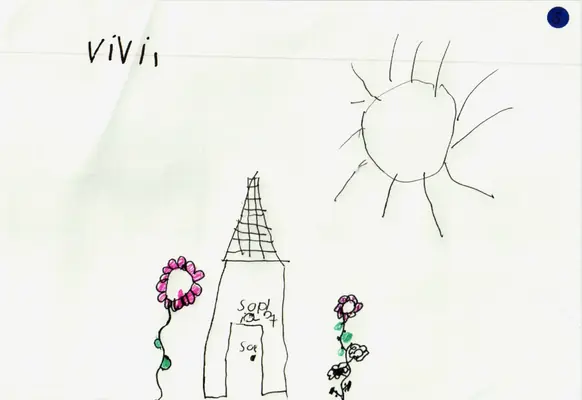
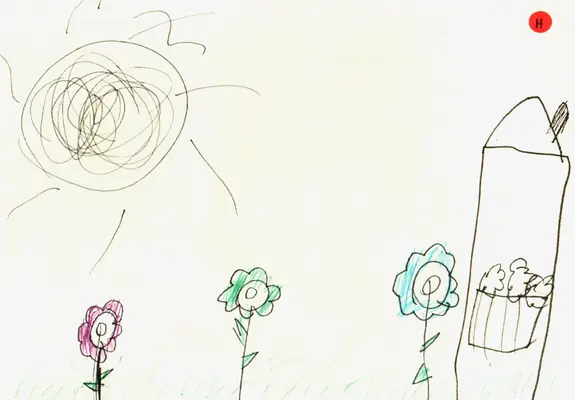
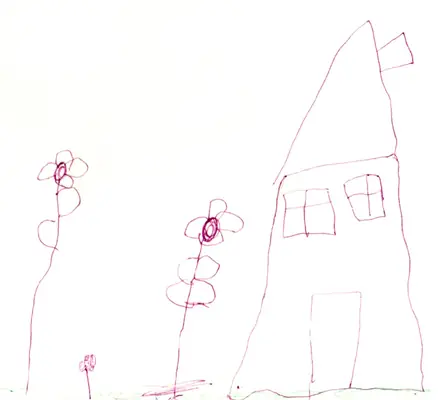
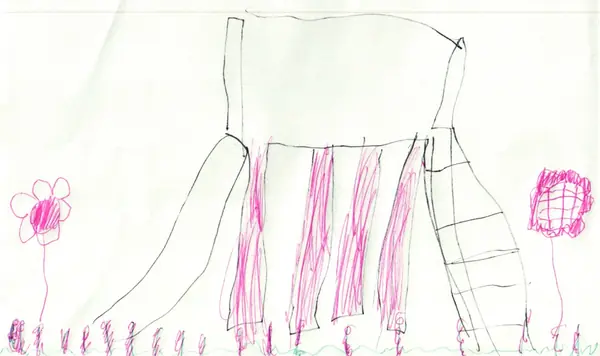
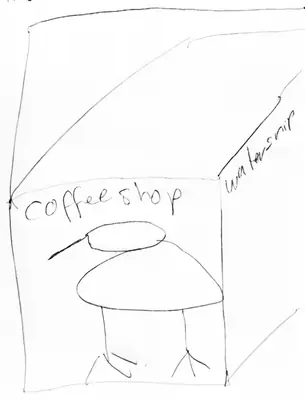
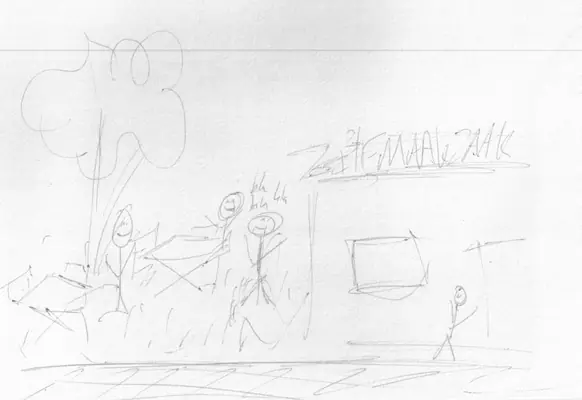
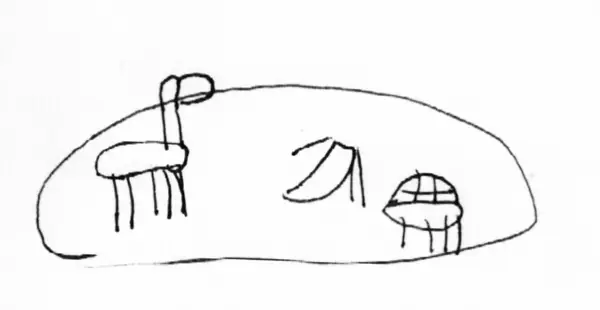
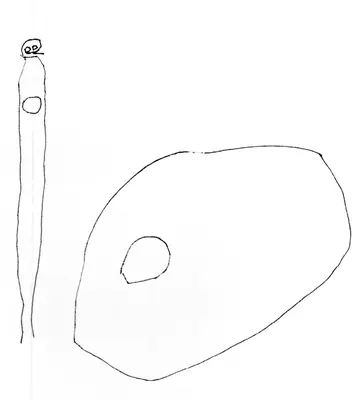
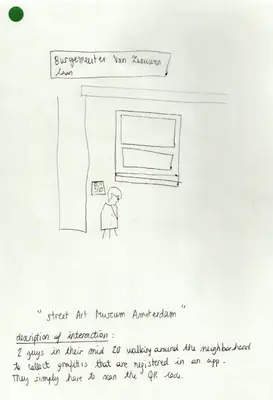
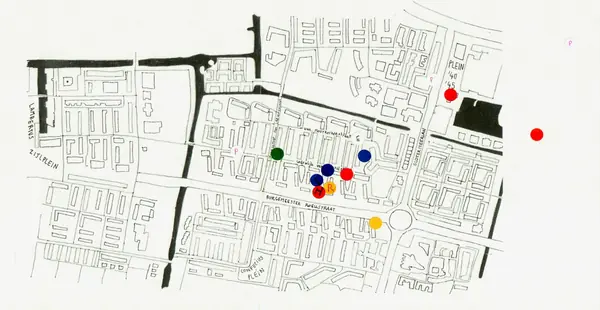
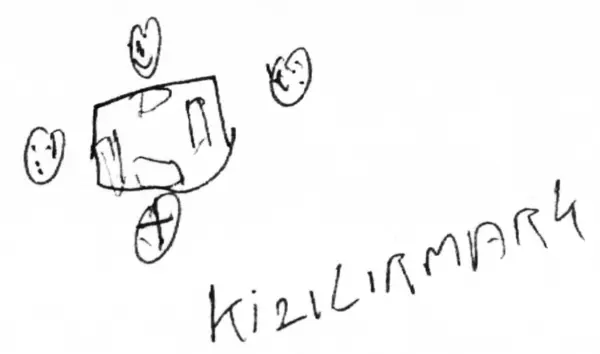
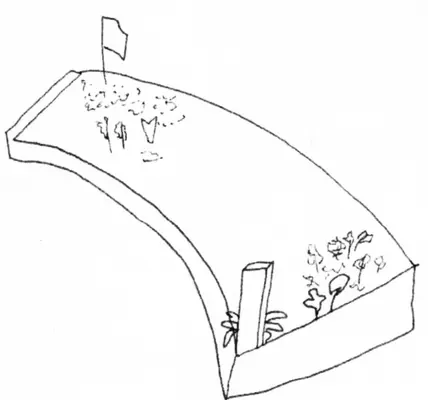
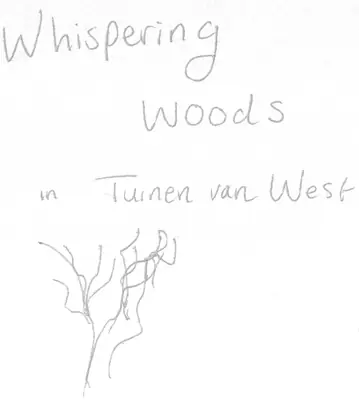
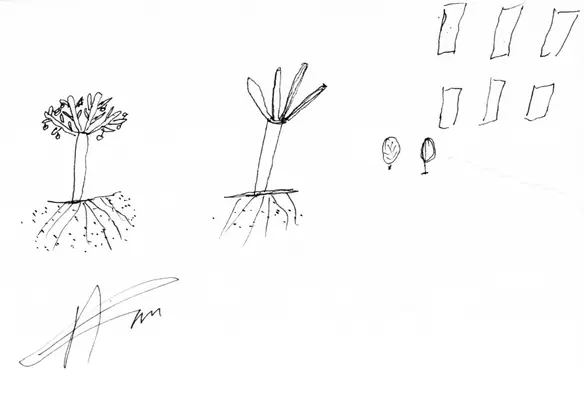
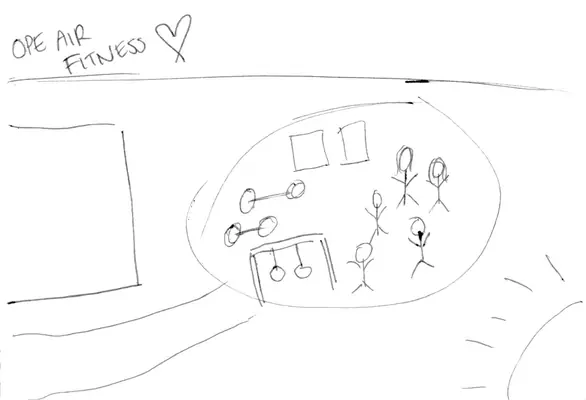
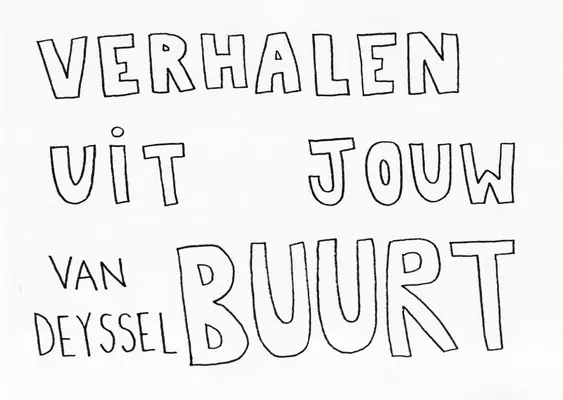
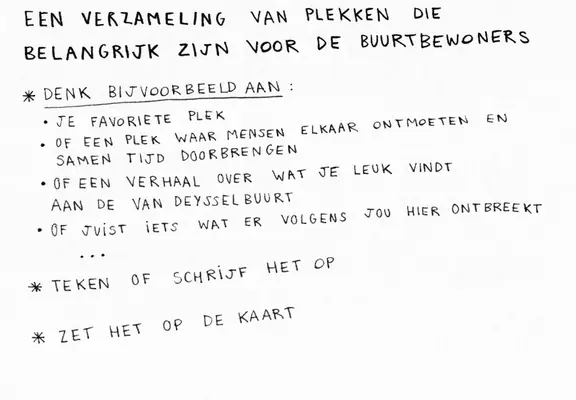
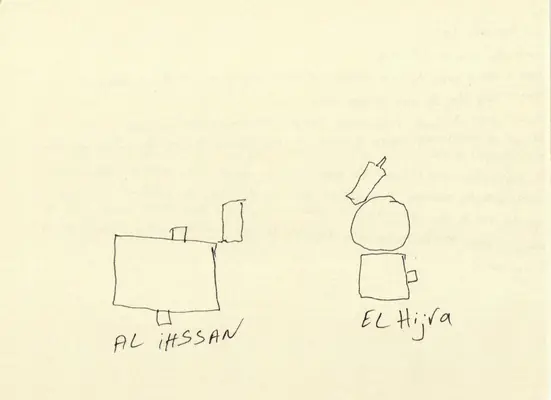
Zoom in the Participatory Mapping - Stories of the Neighbourhood
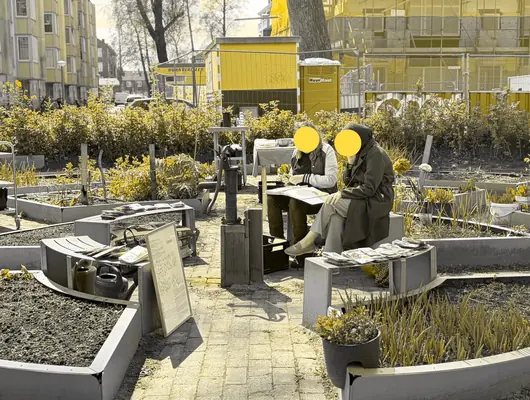
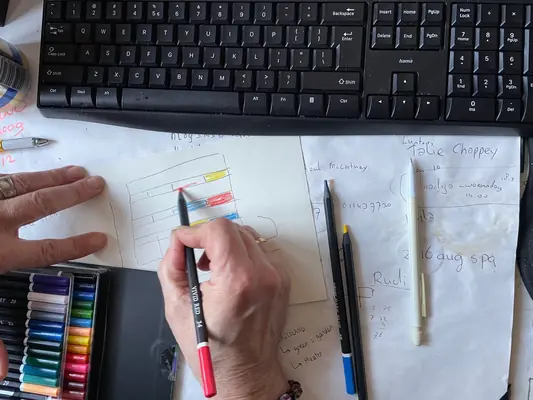
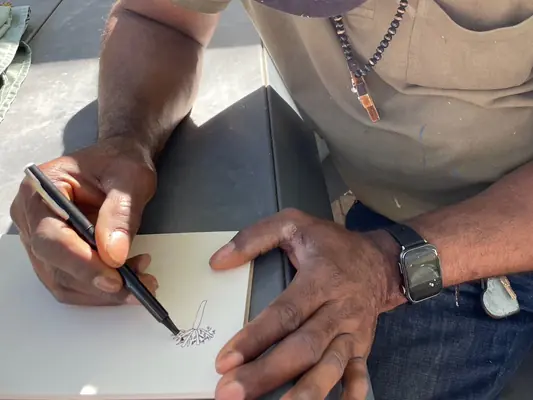
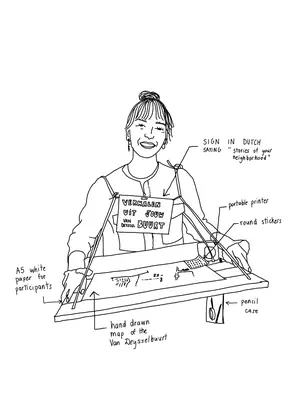
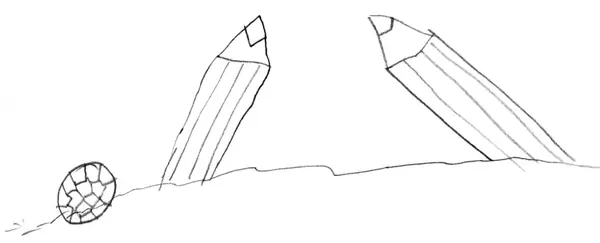
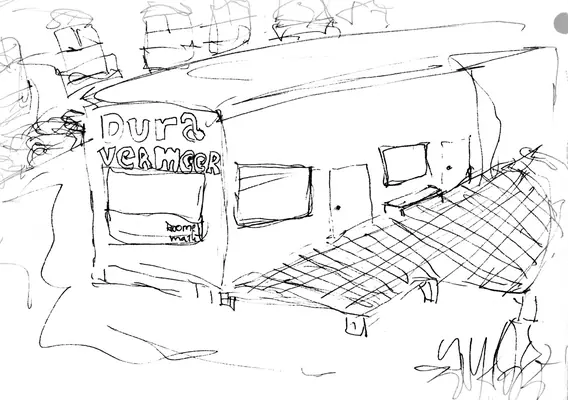
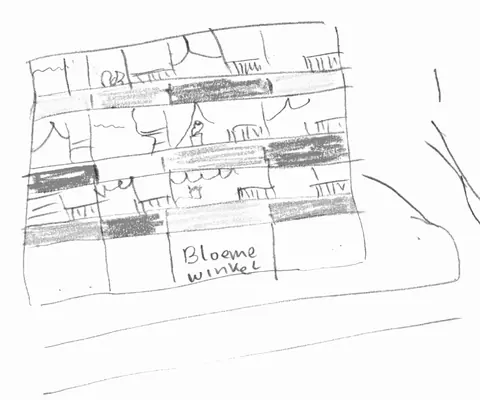
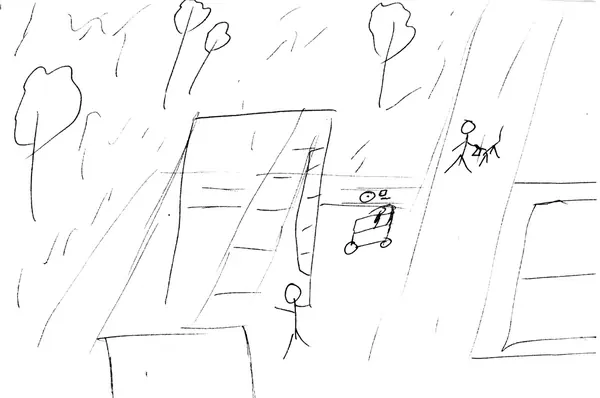
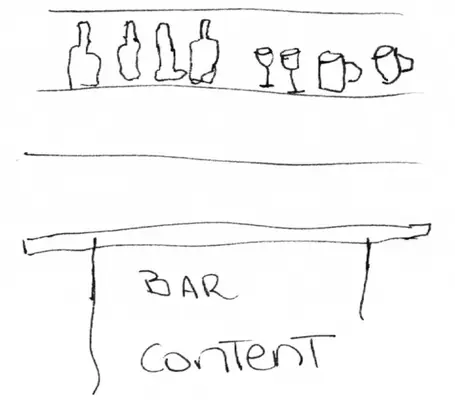
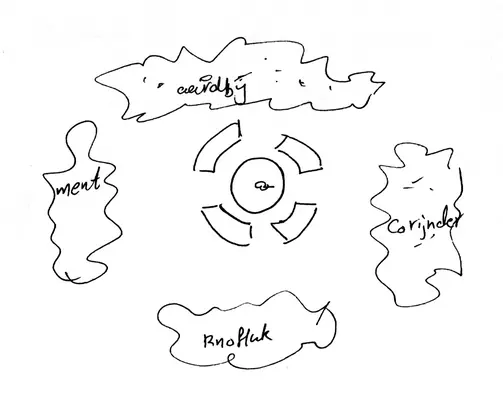
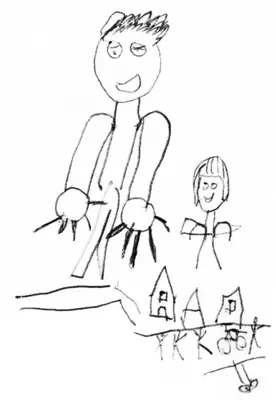
With a portable table, a plain map, dot stickers, and A5 paper, I invited residents to mark their favourite spot and drew it. This mobile method helped reach people beyond Cascoland's usual circle, revealing richer, more personal stories of the neighbourhood.
These are a few pages residents filled in during the participatory mapping sessions.